En Español

« Back to Blog

Behind the Influencer Glow: The Real Menu of Treatments, Read by Dr. Agullo

Med spa consultation at Southwest Plastic Surgery, El Paso, soft daylight, two portraits compared on a screen. Reading influencer treatments at Southwest Plastic Surgery.

“So much of their work gets documented, especially when they are a brand ambassador for a med spa and probably get a lot of their care in exchange for the publicity.” That is how Dr. Frank Agullo describes reading an influencer’s face from photos, an educational exercise rather than a diagnosis. He has not treated her, and a photo is not a consultation. But the read is a useful tour of the real menu of treatments behind a polished look.

What He Can Be Fairly Sure About

In Dr. Agullo’s read, we know for a fact that she’s had neurotoxin to the upper face, which includes the forehead, crow’s feet, and glabella, in hopes of making her eyes more open. She’s had Sculptra to the temples to fill in her temporal recession, hollowness, or temporal wasting. She’s also had Renuva to the temples, also for volume, which is a processed donor fat graft that encourages ingrowth of fat in that area.

She also had hyaluronic acid filler in the lips, which it seems she did not like and then had dissolved, even though there are hints of more volume than before. She had a Botox lip flip. She’s also had PDGF for the under eyes, platelet-derived growth factor, which encourages collagen ingrowth. And she’s had various lasers and radiofrequency, including Tixel, a thermal resurfacing device, Moxi, a resurfacing laser, and Agnes RF, which is very similar to Morpheus8.

The Weight Change Behind the Contour

Judging by her earlier photos and her photos now, she’s definitely lost too much weight. Dr. Agullo is not sure if she’s been using a GLP-1, but it has caused her to lose a lot of the good fat in the face, which is the reason she had to fix the temporal wasting. You can notice in the current pictures that she has a lot less lower cheek fat and a lot more angulated jawline.

Now she has a lot more anterior malar volume, so she may have had some Sculptra and Renuva in the upper cheek area. He thinks she maintains the skin with broadband light, like BBL, and has probably had neurotoxin to the masseters and lower face, which you can see from her slimmer jawline, plus good skin quality maintenance with medical-grade topicals like tretinoin and vitamin C.

The Treatments, Mapped to the Practice

Influencer’s Likely Treatment At Southwest Plastic Surgery
Neurotoxin (upper face, masseters) Injectables at the Med Spa
Sculptra, Renuva (temples, cheeks) Biostimulators and fat grafting
PDGF, growth factors Regenerative adjuncts with microneedling
Lasers and radiofrequency Laser and microneedling with RF
Brow shaping Endoscopic brow lift, ponytail type
Skin quality Medical-grade topicals and BBL

The One Thing That Hints at Surgery

What calls Dr. Agullo’s attention the most, even though he’s not sure she’s had any surgical work and she is rather young, under forty, is that her brow position is significantly different from her earlier days. It’s pulled up and laterally, which actually opens her eyes. A certain degree of this can be achieved with botulinum toxin, but the degree she’s showing looks more pronounced. She may have had an endoscopic brow lift, the ponytail type, which can help with brow shaping and looks very natural. Other than that, he doesn’t see signs of surgical work, and her nose looks unchanged from her earlier photos.

About Dr. Frank Agullo

Dr. Frank Agullo is the founder of Southwest Plastic Surgery in El Paso, Texas. He is double board-certified by the American Board of Plastic Surgery and the American Board of Surgery, a Fellow of the American College of Surgeons, completed a plastic surgery fellowship at the Mayo Clinic, and sits on the Editorial Board of Aesthetic Plastic Surgery. He is a Clinical Associate Professor of Plastic Surgery at Texas Tech University Health Sciences Center Paul L. Foster School of Medicine and has been named a Castle Connolly Top Doctor for thirteen consecutive years.

Ready to Talk?

If there is a look you are chasing, bring the photos to Southwest Plastic Surgery. The team will read your own face the same careful way and map a plan to the right menu, in the right order.

For the surgeon’s editorial take on why public-figure reads are tricky, see Dr. Agullo’s essay on drworldwide.com. For the patient-facing treatment-by-treatment guide, see the companion post on agulloplasticsurgery.com.

Call (915) 590-7900, text 1-866-814-0038, or book online at swplasticsurgery.com. #StayBeautiful.

@RealDrWorldWide on Instagram, TikTok, and Snapchat, @Agullo on X, or @AgulloPlasticSurgery on Facebook.


LED Red Light Therapy at Southwest Plastic Surgery: Real Science, FDA-Cleared Device, Faster Recovery

Med spa LED light therapy session at Southwest Plastic Surgery, El Paso, soft red glow on a relaxed patient. LED red light therapy with ElixirMD at Southwest Plastic Surgery.

“The reason the wound healing research gives us confidence in red light for skin rejuvenation is that the mechanism for wound healing is the same as for skin rejuvenation.” That is how Dr. Frank Agullo explains why Southwest Plastic Surgery uses LED red light therapy as more than a feel-good add-on.

The Mechanism Is Pretty Well Established

In Dr. Agullo’s words, the mechanism for LED red light therapy is pretty well established. That’s the mechanism of action on the wound healing side. The light at red and near-infrared wavelengths is absorbed by the mitochondria of the cells. This raises ATP, or energy production, and drives the proliferation of specific cells active in wound healing, like fibroblasts and keratinocytes. It increases collagen synthesis and local blood flow. This has been described in peer-reviewed publications. And the same mechanism of action is activated in aesthetic applications.

What the Studies Show

There are randomized controlled trials showing reduction in the wrinkles around the eyes up to thirty percent. There’s also a controlled trial that showed increased intradermal collagen density, which in turn reduces the appearance of fine lines and wrinkles in the skin. And there have been other multicenter randomized studies that have shown measurable crow’s feet improvement.

Why the Device Matters

Now, it’s important to know that results do vary by wavelength, dose, and device, and many home consumer units are weaker than the devices used in clinical trials. That is why the practice uses Elixir MD, an FDA-cleared LED device that helps plastic surgeons cut post-surgical downtime. It uses a spectrum of wavelengths: red for mitochondrial stimulation and blood flow, infrared for deeper tissue repair, blue to reduce bacterial load, and yellow for cellular repair.

How the Practice Uses It

At Southwest Plastic Surgery, LED red light earns its place two ways. After surgery, it helps cut downtime, since it supports the same wound-healing cascade the body is already running. For skin, it supports collagen, and it pairs naturally with microneedling and the rest of the Med Spa skin program.

About Dr. Frank Agullo

Dr. Frank Agullo is the founder of Southwest Plastic Surgery in El Paso, Texas. He is double board-certified by the American Board of Plastic Surgery and the American Board of Surgery, a Fellow of the American College of Surgeons, and completed a plastic surgery fellowship at the Mayo Clinic. He is a Clinical Associate Professor of Plastic Surgery at Texas Tech University Health Sciences Center Paul L. Foster School of Medicine and has been named a Castle Connolly Top Doctor for thirteen consecutive years.

Ready to Talk?

Whether you are recovering from a procedure or supporting your skin quality, ask about LED red light therapy with ElixirMD at Southwest Plastic Surgery.

For the surgeon’s editorial take on the wound-healing science, see Dr. Agullo’s essay on drworldwide.com. For the clinical patient guide, see the companion post on agulloplasticsurgery.com.

Call (915) 590-7900, text 1-866-814-0038, or book online at swplasticsurgery.com. #StayBeautiful.

@RealDrWorldWide on Instagram, TikTok, and Snapchat, @Agullo on X, or @AgulloPlasticSurgery on Facebook.
Hair and Scalp Health at Southwest Plastic Surgery: From the Hair Cycle to TCM-Inspired Approaches

Scalp assessment at the med spa at Southwest Plastic Surgery, El Paso, soft daylight, clinician examining a patient's hairline. Hair and scalp health program at Southwest Plastic Surgery.

“A shrunken follicle can still be revived with growth factors, medications, or therapies, but a lost follicle cannot be brought back.” That is the line Dr. Frank Agullo keeps coming back to with every patient who notices her hair thinning, and it is why he tells women not to wait. Plenty of them see more hair in the brush than they used to and worry, and at Southwest Plastic Surgery the first thing he sorts out is whether it is normal shedding or true hair loss.

Normal shedding is between fifty and a hundred hairs a day, which is usually unnoticeable. True hair loss is different. It exceeds the regrowth potential, and the hair that comes in is thinner, with worse texture and worse density, a process he calls miniaturization. The hair grows in three cycles, Dr. Agullo explains. There is anagen, when the hair is growing, catagen, which is a transition, and telogen, when the hair is resting or shedding. At the conclusion of each cycle, the hair sheds some.

The Common Causes the Team Looks For

The most common cause is female pattern hair loss, which is also called androgenic alopecia, the same major cause of hair loss in men. It has to do with genetics and a follicle sensitivity to DHT byproducts, which make the follicles shut down. In a woman, we don’t see a receding hairline like the one typically seen in males. Instead it happens at the top of the scalp and almost gives us a Christmas tree pattern.

Another common cause is emotional or physical stressors, which can push a large share of follicles into the resting phase. Right after a trigger like childbirth, surgery, major illness, rapid weight loss, or significant stress, the hair follicles go into this resting phase, and a few months later they all shed together. Third is hormonal imbalances, like low thyroid, where hair growth slows and shedding increases across the whole scalp. The fourth is nutritional deficiencies, like low iron, which is very common in many women, especially with heavy menses, and vitamin D deficiency can affect hair growth too. And the fifth is a physical reason, like when women pull their ponytails back too hard, which is called traction alopecia.

Menopause deserves its own mention. Estrogen is a very hair-friendly hormone. It keeps hair in its growth phase longer and supports healthy blood flow in the scalp. During menopause the production of estrogen falls dramatically, and as the estrogens drop, the androgens become more dominant. Those androgens then act on the genetically sensitive follicles at the top of the scalp, the same mechanism we see in female pattern hair loss, which is why so many women notice thinning right around midlife.

The Regenerative Scalp Program

The practice approaches the scalp the way it approaches the rest of the skin, by improving the environment the follicles live in. Microneedling of the scalp improves the microcirculation of blood flow to the hair follicles and has been shown scientifically to improve hair growth, often paired with regenerative growth-factor protocols. ElixirMD supports the nutritional side, addressing reversible contributors like iron and vitamin D.

A Candid Word on TCM-Inspired Approaches

Patients often ask Dr. Agullo about traditional Chinese medicine, and he treats it seriously. Several TCM-inspired approaches line up with what the evidence supports, and they tend to share one mechanism: scalp circulation.

Approach What It Does Evidence Note
Ginseng Promotes scalp blood circulation Well-researched, encouraging results
Angelica sinensis Blood tonic, moves circulation Lab studies show anti-inflammatory, circulatory benefit
Scalp acupuncture Improves follicle microcirculation Behaves much like microneedling
Scalp massage Improves circulation Proven to increase hair thickness and count
Polygonum multiflorum Targets DHT, cells, circulation Caution: a top reported cause of herbal liver injury

Dr. Agullo is direct about Polygonum multiflorum. Most studies on it are in vitro and in animals, the risk of liver damage is real, and the reaction is unpredictable, especially with the raw root. As he puts it, a remedy being all natural does not mean it is automatically safe.

About Dr. Frank Agullo

Dr. Frank Agullo is the founder of Southwest Plastic Surgery in El Paso, Texas. He is double board-certified by the American Board of Plastic Surgery and the American Board of Surgery, a Fellow of the American College of Surgeons, completed a plastic surgery fellowship at the Mayo Clinic, and is a member of the International Society of Hair Restoration Surgery. He is a Clinical Associate Professor of Plastic Surgery at Texas Tech University Health Sciences Center Paul L. Foster School of Medicine and has been named a Castle Connolly Top Doctor for thirteen consecutive years.

Ready to Talk?

The most important step, Dr. Agullo says, is to see a physician as soon as hair loss begins, when therapies can actually help and reversible causes can be ruled out. Start with a scalp and hair assessment at Southwest Plastic Surgery.

For the surgeon’s editorial take on the evidence behind TCM and hair, see Dr. Agullo’s essay on drworldwide.com. For the clinical patient guide, see the companion post on agulloplasticsurgery.com.

Call (915) 590-7900, text 1-866-814-0038, or book online at swplasticsurgery.com. #StayBeautiful.

@RealDrWorldWide on Instagram, TikTok, and Snapchat, @Agullo on X, or @AgulloPlasticSurgery on Facebook.
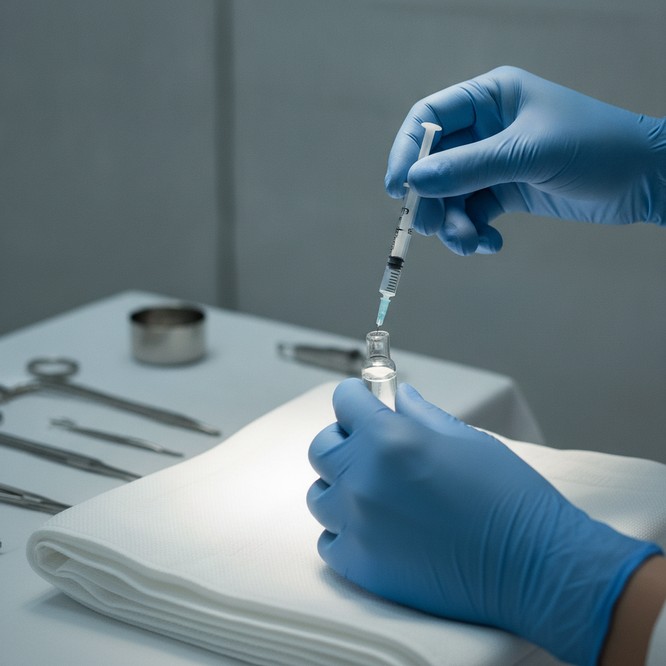
Beyond Wrinkles: The Full Range of Botox Treatments at Southwest Plastic Surgery

Med spa injectable suite at Southwest Plastic Surgery, El Paso, soft daylight, clinician preparing treatment. The full range of botulinum toxin treatments at Southwest Plastic Surgery.

Most patients think of Botox as a wrinkle treatment, and at Southwest Plastic Surgery it is one of the most popular treatments at the Med Spa. But Dr. Frank Agullo will tell you the molecule does far more than that. As he explains it, botulinum toxin in essence inhibits the release of acetylcholine, the chemical signal that nerves send to the tissue on the other side. In the traditional use for wrinkles, the nerves are sending acetylcholine to the muscles to contract and create a wrinkle, and the toxin prevents that release. In the same fashion, it can work on other targets, like sweat glands.

That single mechanism opens up a long list of treatments the practice offers. Here is the full range.

Excessive Sweating

Botulinum toxin can be used for excessive sweating, in medical terms hyperhidrosis. The FDA has actually approved it for excessive underarm sweating. The toxin is injected into the skin every half an inch to cover the area of the sweat glands, and a single underarm treatment usually lasts anywhere between four to six months and has to be repeated.

Off-label, the practice uses it the same way for sweaty palms, the soles of the feet, a sweaty scalp, and even the forehead. It doesn’t change how much you sweat in untreated areas, but it is very effective. Dr. Agullo has had patients whose excessive sweating was disabling, and for them these treatments are life-changing. As a bonus, treating the sweat glands also decreases body odor production, since the smell comes from the same glands.

Chronic Migraine and Headaches

The FDA has approved botulinum toxin for chronic migraines and headaches for more than fifteen years now. There is a very specific protocol, about thirty injection points in the forehead, scalp, and neck. It is a preventative treatment, meaning it prevents the onset of new headaches rather than curing an active one. Dr. Agullo notes that many patients who get toxin purely for cosmetic reasons tell him they have had fewer headaches since they started.

Jaw Clenching and a Slimmer Jawline

Botulinum toxin is used for jaw clenching and teeth grinding, injected into the masseter muscle to decrease the strength of the bite. As a side effect, it can slim a heavy jawline by decreasing the size of the masseter, creating the shadow effect a lot of patients aspire to. It also softens spasms and nervous tics around the eyes, helps create symmetry in patients with facial nerve palsy, and can be used for neck muscle spasms.

Treatment Area Typical Goal
Underarm hyperhidrosis Underarms (FDA-approved) Stop excessive sweating, 4 to 6 months
Off-label sweating Palms, soles, scalp, forehead Reduce sweating, reduce odor
Migraine protocol Forehead, scalp, neck Prevent new headaches
Masseter Jaw Stop clenching, slim jawline
TrapTox Trapezius Slimmer neck, shoulder comfort
Gummy smile Upper lip muscles Reduce gum show
Microdroplet skin Face skin Less oil, smoother skin

The Less Traditional Treatments

TrapTox is injected into the trapezius muscle, sometimes called the Barbie. It reduces the mass of the trapezius, which creates a more slender and longer neck, and some patients use it for comfort because they carry significant stress in their shoulders. The practice also uses toxin around the mouth to correct gummy smiles by relaxing the muscles that elevate the upper lip, and to smooth a pebbly or orange peel chin by relaxing the mentalis muscle.

The Skin-Quality Bonus

There are applications where the team does microdroplets of botulinum toxin over the skin. These very superficial injections decrease oil production and smooth out the skin over time. Dr. Agullo noticed it in patients treated for frown lines, that the area where the Botox is injected improves in skin quality and looks younger over time. It is also used off-label for rosacea flushing, and it pairs well with microneedling for overall skin quality.

About Dr. Frank Agullo

Dr. Frank Agullo is the founder of Southwest Plastic Surgery in El Paso, Texas. He is double board-certified by the American Board of Plastic Surgery and the American Board of Surgery, a Fellow of the American College of Surgeons, and completed a plastic surgery fellowship at the Mayo Clinic. He is a Clinical Associate Professor of Plastic Surgery at Texas Tech University Health Sciences Center Paul L. Foster School of Medicine and has been named a Castle Connolly Top Doctor for thirteen consecutive years.

Ready to Talk?

Whether you are interested in the cosmetic uses or one of the medical and functional ones, the team at Southwest Plastic Surgery can walk you through what botulinum toxin can and cannot do for your specific concern.

For the surgeon’s editorial tour from the established to the experimental, see Dr. Agullo’s essay on drworldwide.com. For the clinical patient guide, see the companion post on agulloplasticsurgery.com.

Call (915) 590-7900, text 1-866-814-0038, or book online at swplasticsurgery.com. #StayBeautiful.

@RealDrWorldWide on Instagram, TikTok, and Snapchat, @Agullo on X, or @AgulloPlasticSurgery on Facebook.

Nonsurgical Lifting and Contouring at Southwest Plastic Surgery: The Full Continuum, From MedSpa to Surgery

Med spa treatment room at Southwest Plastic Surgery, El Paso, soft daylight, woman seated for a skin assessment. Nonsurgical lifting and contouring continuum at Southwest Plastic Surgery.

There is a growing demand for lifting and contouring of the face without surgery, and Dr. Frank Agullo sees it every week at Southwest Plastic Surgery. It actually extends to the breast, body, even the buttocks. He says the demand has accelerated due to GLP-1 treatments, where patients undergo rapid weight loss and the appearance of aging shows up much more accelerated, along with a tendency for maintenance early on in order to avoid bigger procedures later.

Because the practice offers both the nonsurgical work at the Med Spa and the surgery, the whole continuum lives under one roof. Here is how Dr. Agullo lays it out.

Why Aging Shows Up Faster Now

As Dr. Agullo explains, aging is a combination of two things, skin laxity and volume loss. In weight loss patients, the skin has already been stretched out. The volume loss shows up as aging, and the skin that had previously been stretched out is now sagging, so the aging shows up much, much faster than in regular patients.

The Volume Side at the Med Spa

The practice has used fillers underneath the eyes and the temples for a long time, but the newer volume replacement materials are where the interesting work is. Sculptra is a biostimulator. After it is injected, the body tries to absorb the material and produces collagen.

There are more exciting biostimulating and regenerative treatments now, including PRP, protein-rich plasma, and PDGF, a platelet-derived growth factor. PDGF has not been cleared for injection, but it is a great adjunct to any procedure that performs microneedling or resurfacing. It regenerates the tissues quicker, and with the growth factor the result is a younger appearance and more protection of collagen.

Lipoderma is one of the newest available fillers. It is a donor-derived fat graft with a framework that allows the ingrowth of your own fat cells. This is a more permanent solution, more natural and more like the actual fat we have in our face, rather than scar tissue or collagen.

The Tightening Side

For skin tightening, the best therapies at the moment are radiofrequency. Morpheus8, which is microneedling with radiofrequency, is one of the most sought-after treatments in the practice. The team also uses FaceTite in the face, a more invasive radiofrequency treatment that treats under the skin and above it, and is usually combined with even liposuction of the neck. The laser program still relies on fractionated lasers, with extra care taken for darker skin types, which tend to create hyperpigmentation or scarring.

Step Treatment Best For
Volume, gentle Sculptra, biostimulators Early volume loss, collagen rebuild
Volume, regenerative PRP, PDGF, Lipoderma Adjunct to microneedling, longer-lasting fill
Skin quality Microneedling, laser Texture, tone, sun damage
Tightening Morpheus8 Early laxity, radiofrequency tightening
Deeper tightening FaceTite Neck and jawline, often with liposuction
Real lifting Deep plane facelift When the mirror test calls for surgery

What the Practice No Longer Leans On

Dr. Agullo is candid about thread lifts. He thinks they had a peak in the last two years, but patients found they’re really not long-lasting. The threads can behave differently on one side of the face than the other and create asymmetries, and sometimes they are not completely absorbed and can be palpated. The practice has really almost diverged away from thread lifts and started to do more minimally invasive surgical procedures instead.

Honest Expectations

All these treatments are good in the early stages of aging, or weight-loss-related aging, and they usually give subtle improvements. They can correct specific areas like temporal wasting, hollowness underneath the eyes, or nasolabial lines. Longevity depends on the therapy. Regular fillers can last up to a year. Sculptra tends to last longer. The new regenerative treatments will be longer-lasting, if not permanent. But aging continues once the clock is set back, even with surgery.

Dr. Agullo is firm that expectations have to be toned down in nonsurgical procedures and well communicated, especially with radiofrequency skin tightening, because a lot of the tightening depends on the patient’s own response and cannot be foreseen.

The Mirror Test, and When It Is Time for Surgery

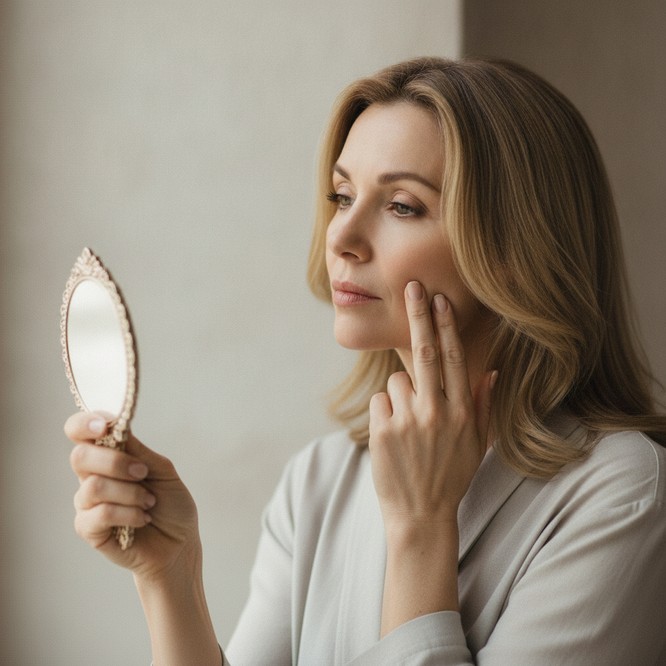
There is a rule of thumb Dr. Agullo uses. If a patient reaches up to their face and pulls with their fingers upwards, bringing their brows and cheeks and jowls up, or even tightening their neck back, that is a sign they need a surgical procedure and not a noninvasive one. The deep plane facelift and the endoscopic deep plane lift create very natural and long-lasting results, and the practice now sees patients skip the noninvasive procedures and go straight to surgery early on. Recovery is supported through ElixirMD, peptides, and post-surgical lymphatic drainage.

About Dr. Frank Agullo

Dr. Frank Agullo is the founder of Southwest Plastic Surgery in El Paso, Texas. He is double board-certified by the American Board of Plastic Surgery and the American Board of Surgery, a Fellow of the American College of Surgeons, and completed a plastic surgery fellowship at the Mayo Clinic. He is a Clinical Associate Professor of Plastic Surgery at Texas Tech University Health Sciences Center Paul L. Foster School of Medicine, trained the deep plane technique through the Ponytail Academy intermediate and advanced courses in Pittsburgh and Santa Monica, and has been named a Castle Connolly Top Doctor for thirteen consecutive years.

Ready to Talk?

Whether you are in the early-maintenance stage or you already know the mirror test points to surgery, the first step is an in-person assessment at Southwest Plastic Surgery. Because the practice offers the full continuum, you will get an honest recommendation rather than a sale.

For the surgeon’s editorial take, see Dr. Agullo’s essay on drworldwide.com. For the clinical patient guide, see the companion post on agulloplasticsurgery.com.

Call (915) 590-7900, text 1-866-814-0038, or book online at swplasticsurgery.com. #StayBeautiful.

@RealDrWorldWide on Instagram, TikTok, and Snapchat, @Agullo on X, or @AgulloPlasticSurgery on Facebook.

Location Marker
Southwest Plastic Surgery
1387 George Dieter
Dr. Bldg C301
El Paso, TX 79936
Tel: (915) 590 7900
Fax: (915) 590 7902
Get Directions
The MedSpa Southwest Plastic Surgery West
5925 Silver Springs Dr.
Suite C
El Paso, TX 79912
Tel: (915)590-7907
Get Directions